Before Parliament, there was beer
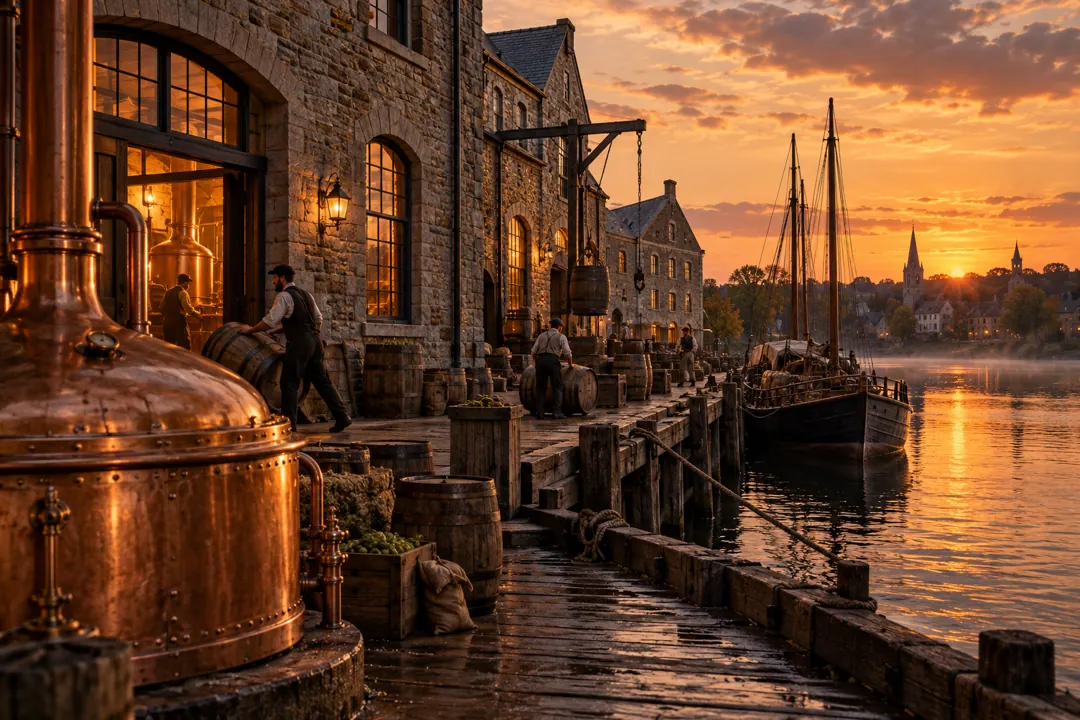
The research traces one of the area’s earliest known breweries to Ralph Smith near Richmond Landing and Brewery Bay, west of today’s Parliament Hill. Imagine a riverfront operation where a ferry, a growing settlement and a brewer all crossed paths. By 1829, John Rochester had established the Victoria Brewery near what became LeBreton Flats.
Ottawa was a lumber town in the making. Brewing close to home made sense when transporting goods was slow and local taverns were places to meet, trade news and raise a glass. Even the names sound ready for a walking tour: Brewery Bay, Victoria Brewery, Wellington Street.
Then the breweries got bigger
Brading Breweries began in 1865, and the Capital Brewing Company followed in 1900. Over the next decades, local brewing changed hands, joined larger firms and slowly lost its small-town feel. E. P. Taylor’s 1930 acquisition of Brading helped usher Ottawa into the age of the national beer company.
For much of the twentieth century, the choice at the counter was narrower. Ask for a beer and you were far more likely to meet a familiar national lager than a fresh pint from a brewer down the street. Ottawa hadn’t forgotten how to drink beer. It just had fewer chances to drink one made nearby.
The local pint comes back
In 1991, Lorne Hart started Hart Breweries in Carleton Place, bringing regional drinkers beers such as Dragon’s Breath Pale Ale. Then Ottawa’s brewpub chapter picked up pace. Clocktower opened in 1996, putting beer made for the pub back beside the pub table.
In Vankleek Hill, Beau’s arrived in 2006 with Lug Tread Lagered Ale and helped put Eastern Ontario beer on many more menus. A local pint was no longer just a nostalgic idea. It was something you could order, talk about and bring home.
The taproom takes the city
Now the story picks up speed. Beyond the Pale started in Hintonburg in 2012 and later moved to City Centre. Dominion City opened in the east end in 2014. Flora Hall made a historic Centretown building a place to meet over beer. Across the city, old spaces and industrial streets became weekend stops.
The glass changed, too. Hop-forward IPAs, wheat ales, dark beers and sour beers found eager drinkers. Neighbours met the people behind the taps; friends compared cans; and choosing a brewery could become the plan for an afternoon. Across the river, Gatineau’s brewers added their own stops to the capital region’s beer outings.
A new chapter, one pint at a time
The past few years have asked hard things of small breweries. The research records closures, higher costs and changes in where people buy beer. Beau’s joined Steam Whistle in 2022. Other local names closed their doors. The map of Ottawa beer has always changed, and it still does.
That makes the small act of visiting a taproom feel a little less small. Go for the beer. Stay for the stories at the bar. Then look around: somewhere between an old building and a fresh pour, you’re standing in the next bit of Ottawa’s brewing history.